
Vascular care, close to home
Vascular Services
Evaluation and treatment for circulation and dialysis access.
Explore office-based vascular diagnostics, dialysis access care and minimally invasive procedures, coordinated with your kidney and heart care.

Explore vascular services
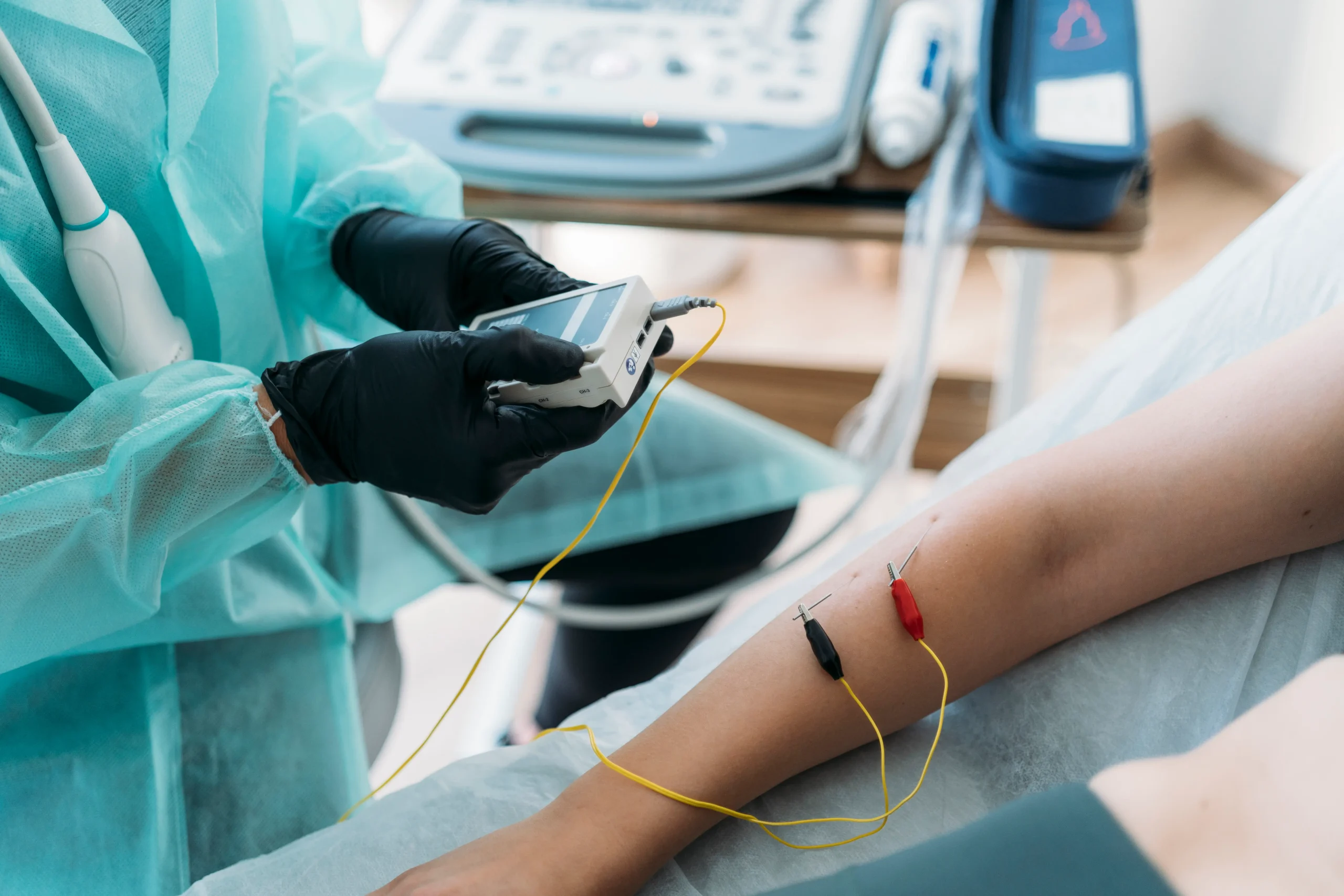
01 / Understand your circulation
Vascular Diagnostics
Vascular evaluation looks at how blood is flowing to your legs, kidneys and other areas of concern. Your team may review symptoms such as leg pain with walking or slow-healing wounds, along with prior test results.
Before a dialysis fistula or graft is created, ultrasound vein mapping can help identify suitable blood vessels and support access planning.
Services in this section
- Peripheral Arterial Disease (PAD) Management
- Renal Artery / Vascular Evaluation
- Vein Mapping for Dialysis Access Planning
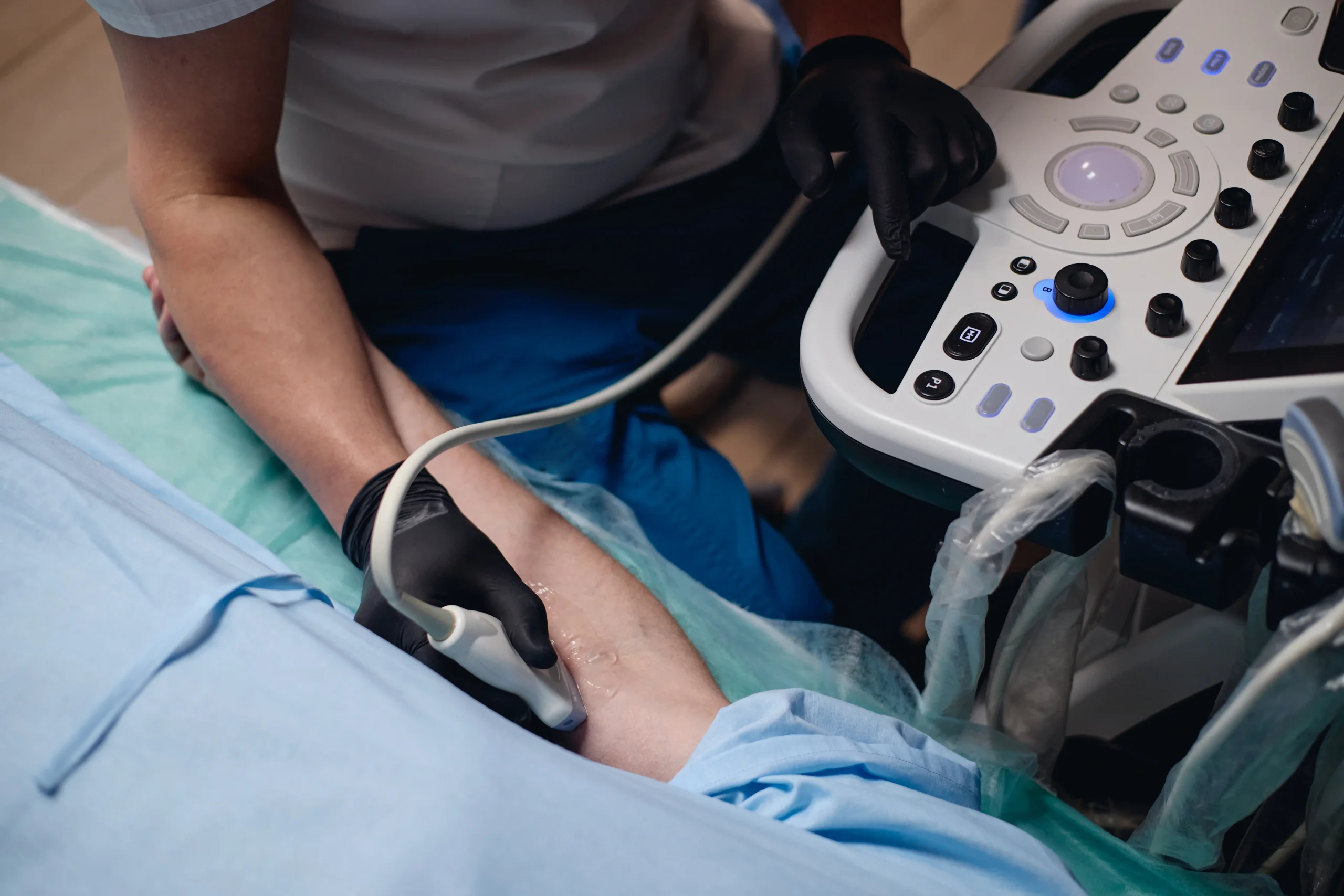
02 / Protect the access you rely on
Dialysis Access Care
A working fistula or graft is essential for hemodialysis. Ultrasound and access imaging can help identify narrowing, clotting or other problems that may affect treatment.
When a treatable problem is found, procedures such as angioplasty or thrombectomy may be considered, followed by ongoing surveillance to help preserve your existing access.
Services in this section
- Hemodialysis Access Ultrasound
- Fistulagram / Dialysis Access Angiography
- AV Fistula / Graft Angioplasty
- Dialysis Access Thrombectomy
- Vascular Access Surveillance and Follow-Up
Your next step starts with a conversation.
Let us help you find the right care.
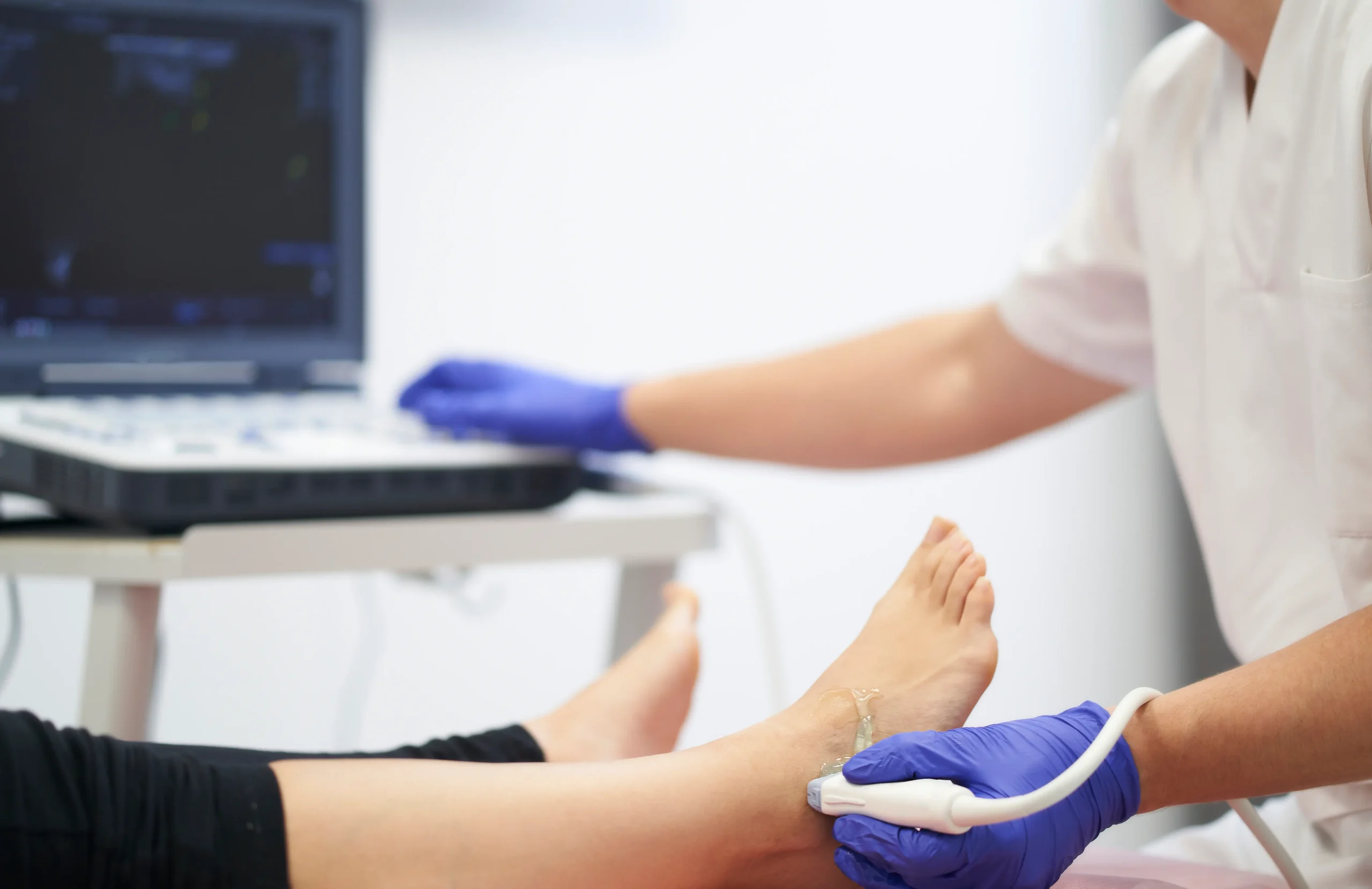
03 / Clear images, informed decisions
Vascular Imaging
Ultrasound and contrast imaging help your team see arteries and veins in detail. Studies may evaluate the carotid arteries, leg circulation, renal arteries and venous anatomy.
Imaging is also available to evaluate a peritoneal dialysis catheter when drainage or flow problems occur.
Services in this section
- Carotid Ultrasound
- Lower-Extremity Arterial Ultrasound
- Lower-Extremity Venous Ultrasound
- Lower-Extremity Diagnostic Angiography
- Renal Angiography
- Venography
- Peritoneogram / PD Catheter Evaluation

04 / Treatment in an outpatient setting
Minimally Invasive / Interventional Procedures
Our office-based laboratory allows selected vascular and interventional procedures to be performed in an outpatient environment when medically appropriate.
Each procedure includes pre-procedure evaluation, recovery and follow-up. Treatment decisions are individualized based on your anatomy, symptoms and overall health.
Services in this section
- Office-Based Vascular and Interventional Procedures
- Lower-Extremity Endovascular Intervention
- Renal Artery Angioplasty / Stenting
- Endovenous Laser Therapy (EVLT)
- Paracentesis
- Pre- and Post-Procedure Management
- Wound and Limb Preservation Coordination
Your questions, answered
Vascular Services FAQ
How do I request a vascular appointment?
Use Request an Appointment or call (210) 277-1418. The team can help you find the right next step.
Where are procedures performed?
Selected procedures can be performed in our office-based laboratory when medically appropriate. Your care team will confirm the right setting for you.
How should I prepare for a procedure?
Your team will review your medications and give you preparation instructions before your visit. Follow those instructions and ask the team if you have questions.
Why does my dialysis access need monitoring?
Ongoing surveillance can help identify narrowing or other access problems early, so they can be evaluated before they affect your treatment.
Let us help you take the next step.
Request an appointment online or call our team.