

When it comes to our health, we often think about going to the doctor only when we’re feeling unwell. However, this approach can lead us to overlook serious issues that might be brewing silently in the background, especially with our kidneys. Kidney disease is known as a “silent killer” because it often shows little to no symptoms until it’s quite advanced.
This is why early detection by a kidney doctor is so important—not just for saving lives but for maintaining a healthy lifestyle overall. Through regular screenings and proactive management, we can catch potential problems before they escalate into something more dangerous, leading to better outcomes and a whole lot of reassurance for patients.
Understanding the importance of early intervention sets the stage for elevating kidney health to a top priority in our healthcare routine.
Importance of Early Detection in Kidney Disease

Early detection of kidney disease is vital for more reasons than one might think. When problems are addressed at the first signs, patients often have better treatment options that can halt or even reverse damage, giving them a fighting chance to maintain their kidney function.
By monitoring and controlling chronic conditions like diabetes and hypertension, which frequently contribute to kidney issues, healthcare providers can tailor a comprehensive care plan that supports the patient’s health journey.
Research shows that if kidney disease is detected early, it can reduce the risk of progression to end-stage renal disease (ESRD) by up to 50%. Patients diagnosed at earlier stages—like Stage 1 or 2—can enjoy a staggering five-year survival rate of over 90%. Conversely, when detection occurs at Stage 4 or 5, that rate drops dramatically to a mere 30%.
These numbers tell a compelling story about the effectiveness of early intervention and its role in preserving health.
It doesn’t stop there. Detecting kidney issues early also plays a critical economic role. Regular screenings and timely treatments can drastically reduce healthcare costs. Preventive measures are generally far less burdensome financially than dealing with advanced complications requiring services like dialysis or possible kidney transplants, which can be not only emotionally taxing but also incredibly expensive.
Routine blood and urine tests are key players in this preventive strategy. Tests measuring markers such as estimated glomerular filtration rate (eGFR) and urine albumin-to-creatinine ratio (ACR) provide crucial insights into how well the kidneys are functioning. When these tests are part of regular checkups, they give both patients and doctors tangible indicators of kidney health.
Recognizing Symptoms and Risk Factors
Understanding the symptoms of kidney disease can empower you to take proactive measures in your health journey. Common symptoms include swelling in the ankles or feet, which occurs when fluid isn’t effectively filtered out of the body; fatigue, where patients often report feeling inexplicably tired due to toxin buildup; and difficulty concentrating, a result of diminished kidney function affecting overall well-being.
Other signs might include reduced urination or changes in urine appearance, such as dark or foamy urine, which can indicate various issues with kidney filtration. Additionally, an increase in blood pressure can occur as your kidneys lose their ability to regulate fluid balance.
Recognizing these symptoms leads us naturally into understanding the risk factors that further complicate kidney health.
Key Risk Factors
- Diabetes: Nearly 30% of individuals with diabetes will develop some form of kidney disease, as high blood sugar levels can damage blood vessels within the kidneys over time.
- Hypertension: High blood pressure is particularly insidious because it can harm the arteries surrounding the kidneys, restricting their function and causing further complications.
- Family History: Genetics plays a significant role; if kidney disease runs in your family, your likelihood of developing similar issues increases considerably.
- Age: As we age, our kidneys naturally decline in function; that’s why we need to be more careful for leading a healthy life.
- Obesity: A growing body of evidence indicates that overweight individuals are significantly more likely to experience kidney problems due to increased strain on the body’s systems.
Knowing both the symptoms and risk factors surrounding kidney health emphasizes the importance of regular check-ups with a kidney doctor.
With these insights into recognition and prevention, we now transition into exploring how specialists approach diagnosis and management strategies effectively.
Role of a Kidney Doctor in Diagnosis
A kidney doctor, or nephrologist, focuses on diagnosing and treating various kidney diseases, but their role goes far beyond just assessing symptoms. They are equipped with specialized knowledge to interpret complex medical histories, probe deeply into potential risk factors, and utilize a set of advanced diagnostic tools to understand a patient’s kidney health comprehensively.
The journey often begins with a conversation—your doctor takes the time to listen carefully to your concerns. This detailed dialogue is crucial because it helps the nephrologist identify patterns that could signal kidney problems, even before lab results come back.
During this initial assessment, the nephrologist often recommends several key tests that serve as pivotal indicators of kidney function.
Diagnostic tests such as blood tests and urine analysis provide essential insight into how well the kidneys are functioning. A common measure is the estimated glomerular filtration rate (eGFR), which estimates how much blood passes through the glomeruli (tiny filters) each minute. Likewise, urine tests like the albumin-to-creatinine ratio (ACR) detect protein levels in urine; elevated levels can indicate kidney damage. These screenings are particularly vital for high-risk individuals—those with diabetes or hypertension—as early detection can significantly alter their treatment path.
What makes nephrologists unique?
Rather than simply focusing on immediate symptoms, they strive to uncover underlying conditions that contribute to kidney issues. For instance, if you have diabetes, close monitoring and tailored adjustment of your treatment plan can be employed to preserve kidney function.
This comprehensive approach positions kidney doctors as crucial partners in managing overall health, not just renal health. By addressing risk factors proactively and offering lifestyle recommendations alongside medical treatments, nephrologists empower patients to take an active role in their care, ultimately improving long-term outcomes.
Early diagnosis allows for timely interventions that can delay or prevent the need for more invasive treatments like dialysis.
If you recognize any symptoms or fall within at-risk populations due to existing health conditions, seeking help from a nephrologist can be one of the most effective steps you take toward preserving your kidney health.
Understanding the critical role of early detection sets the stage for exploring the specific diagnostic procedures that play a vital part in safeguarding kidney health.
Key Diagnostic Tests and Procedures
Diagnosing chronic kidney disease (CKD) is a pivotal process that involves various tests, each designed to assess different aspects of kidney function. Understanding these tests can empower patients to take charge of their kidney health.
The blood test, particularly the estimated glomerular filtration rate (eGFR), measures how efficiently your kidneys are filtering waste from the blood. This test calculates your eGFR based on serum creatinine levels, age, sex, and race. A low eGFR number can be a sign of declining kidney function, prompting further investigation. Regular monitoring of eGFR can help catch issues before they escalate into more serious conditions. As someone who believes in proactive health management, I’ve seen patients transform once they understand their numbers; it’s empowering!
After determining kidney function through blood tests, it’s critical to examine urine for potential signs of damage.
Next comes the urine test, specifically the albumin-to-creatinine ratio (ACR). This test assesses protein levels in your urine. Normally, healthy kidneys filter out excess protein; however, when there’s damage or stress to the kidneys, proteins like albumin can leak through into the urine. Elevated protein levels can indicate early signs of kidney disease and signal the need for timely interventions. Here, awareness is key; being aware of what’s normal for your body can help you spot changes sooner rather than later.
Although blood and urine tests provide crucial insights, imaging tests play an equally important role in creating a complete picture of kidney health.
Imaging tests, such as ultrasounds, allow doctors to visualize kidney structure and functioning in real time. These non-invasive scans help detect any physical problems, including stones or blockages that could impede kidney performance. Imagine discovering a blockage before it leads to further complications—it’s this kind of foresight that underscores why regular check-ups are essential.
Sometimes initial tests don’t yield conclusive answers, necessitating invasive but informative procedures.
Finally, there’s the kidney biopsy. This procedure might sound daunting, yet it provides invaluable insight into kidney conditions by examining tissue samples under a microscope. A biopsy can help identify specific types of kidney damage and inform tailored treatment plans, significantly improving outcomes for patients with CKD. It’s like having a detective look closely at a crime scene—the detailed information gathered here can make all the difference in crafting a successful resolution.
Each layer of diagnosis interconnects seamlessly to reveal not just a snapshot of the condition but also pathways toward effective management and treatment strategies.
Understanding these diagnostic tests equips patients with knowledge essential for early detection and intervention in kidney disease. From blood tests revealing filtering efficiency to imaging studies uncovering structural issues, each test plays its part in safeguarding our renal health. Regular screenings are vital—do not underestimate their importance for your long-term wellbeing.
Emphasizing these diagnostic tools sets the stage for exploring how comprehensive management strategies can further enhance patient care and improve outcomes in kidney health.
Preventative Management and Treatment
Prevention is the cornerstone of managing kidney disease, acting as a shield against more serious complications down the line. Imagine your kidneys as the faithful filters of your body—they work tirelessly to keep things running smoothly. Once diagnosed with a condition that affects your kidneys, lifestyle changes become essential. Simple adjustments in your daily routine can significantly ease the burden on these vital organs.
One of the most effective ways to support your kidneys is through dietary modifications. Consulting a dietitian can provide you with tailored advice that suits your specific needs. A kidney-friendly diet usually emphasizes low sodium, limited protein, and reduced phosphorus intake. This type of diet helps mitigate stress on the kidneys and is integral to maintaining overall health. For instance, replacing processed foods with fresh fruits and vegetables not only enhances nutrient intake but also minimizes harmful additives that could further tax kidney function.
Beyond dietary adjustments, medications play a crucial role, too. For those with high blood pressure, one of the leading causes of chronic kidney disease, controlling this parameter is imperative. Blood pressure medications like ACE inhibitors or angiotensin receptor blockers (ARBs) are frequently recommended for patients, especially those suffering from increased albuminuria, a precursor to more severe kidney issues. Furthermore, keeping glucose levels stable with appropriate diabetic management aids in protecting renal function, while cholesterol-lowering medications may be prescribed to mitigate cardiovascular risks associated with kidney disease.
The rhythm of life can indeed change when you have CKD. What you once took for granted—grabbing fast food on the go or skipping exercise—can suddenly require thoughtful planning and modifications. It’s important to establish ongoing communication with your healthcare team. They can assist in customizing treatment plans that cover every aspect of care, from regular monitoring through urine tests like urinary albumin-to-creatinine ratio (UACR) to estimated glomerular filtration rate (eGFR)—to ensure that your kidneys remain as healthy as possible.
As we consider these critical aspects of kidney health, understanding their long-term implications becomes equally vital. How these factors influence overall health and daily living will shed light on why early detection is fundamental in preserving not just kidney function but also well-being in broader contexts.
Protect Your Kidney Health—Speak with Our Specialists
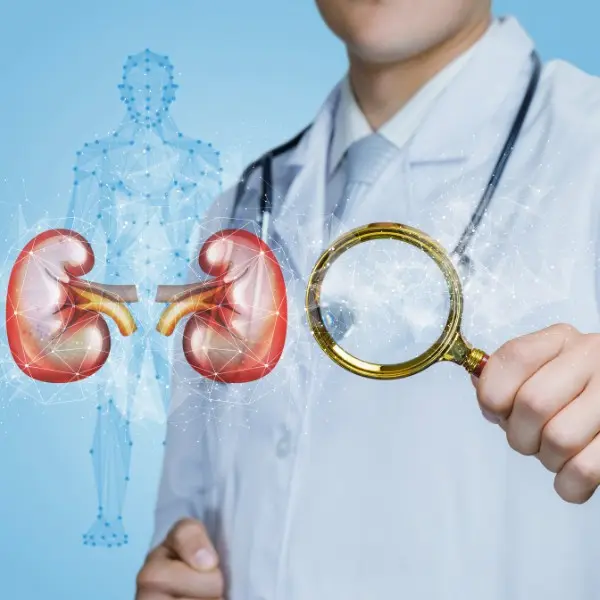
Protecting your kidney health is essential to maintaining overall well-being, and the experts at Kidney Hypertension & Transplant Specialists, located in San Antonio, TX, are here to help.
Our dedicated team provides personalized care tailored to your unique needs, focusing on early detection, effective management, and advanced treatments for kidney-related conditions. Whether you’re managing hypertension, chronic kidney disease, or seeking guidance on transplant options, we are committed to delivering compassionate and comprehensive care.
Take the first step toward safeguarding your health—call us today at 210-277-1418 to schedule your consultation!