
Starting dialysis is a major life change. You deserve a clear, respectful comparison that focuses on your routine, family needs, work, travel, and what matters most to you. This guide walks through home peritoneal dialysis and in-center hemodialysis so you can choose with confidence and know how Kidney Hypertension Transplant Specialists (KHS) supports you at every step.
Our priority is safety, flexibility, and education tailored to your goals. Kidney care, with beyond passion, means we listen first, then build a plan that fits your day-to-day life, not the other way around.
The quick overview: how PD and HD differ
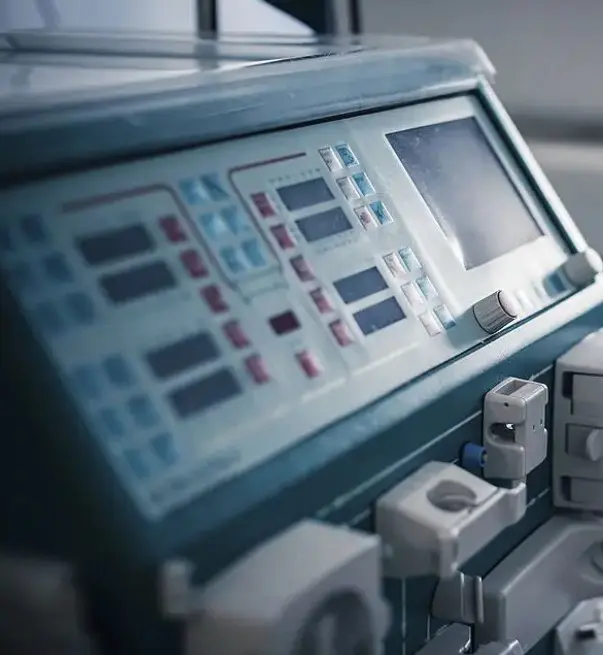
Peritoneal dialysis (PD) uses a soft catheter in your abdomen and your peritoneum as a natural filter. You perform exchanges at home or use a cycler at night. In-center hemodialysis (HD) uses a machine to filter your blood through an arteriovenous fistula or graft in your arm, usually in a dialysis clinic on a regular schedule.
- Where it happens: PD at home, work, or while traveling with supplies; HD at a dialysis center with a nurse-led team.
- Schedule: PD is typically daily with shorter at-home tasks; HD is usually three times per week for about 3 to 4 hours per session in-center.
- Access: PD uses a PD catheter; HD uses a fistula or graft, and sometimes a temporary catheter while the access matures.
- Training: PD includes hands-on home training for clean technique and infection prevention; HD training focuses on access care and what to expect in-center.
Scheduling and lifestyle flexibility
If you want control over your schedule, PD often offers more day-to-day flexibility. Many patients perform automated PD overnight, wake up disconnected, and have their daytime free for work, errands, or family. Continuous ambulatory PD involves manual exchanges during the day that can be planned around meals or breaks. With good preparation and support, travel is often simpler with PD because you take or ship your supplies.
HD in a dialysis clinic provides structure and face-to-face nursing support three set days each week. Some patients prefer the predictable routine, in-person monitoring, and social connection with a center team. Travel is still possible, but you coordinate chair time at a destination clinic and plan around the fixed treatment times.
Access types and care basics
- PD catheter: A small tube placed in the abdomen. You keep the site clean and dry, secure it to avoid tugging, and watch for redness or drainage. KHS teaches daily care, dressing changes, and what to report immediately.
- Fistula or graft for HD: A fistula joins an artery and vein; a graft uses a soft tube. You learn to feel the vibration (thrill) and listen for the whoosh sound (bruit). Signs to report include redness, warmth, swelling, pain, changed thrill, or fever. Avoid blood pressures, blood draws, and heavy pressure on the access arm.
KHS provides hemodialysis access planning, surveillance, and urgent evaluation for suspected narrowing or clotting, and PD catheter education with clear home steps.
PD at home: training and infection prevention
Safety training is the heart of successful PD. You learn to set up a clean space, wash hands correctly every time, mask when appropriate, connect and disconnect without touching sterile ends, and check for warning signs like abdominal pain, fever, or cloudy fluid. We practice together until the steps feel natural. If concerns arise, tele-visits and on-call instructions help you respond quickly.
Nutrition on PD often includes higher protein needs and careful phosphorus control. You time phosphate binders with the meals you actually eat. Because dialysate contains glucose, we also review diabetes control and calorie balance when needed.
In-center HD: what to expect
You arrive on your scheduled days, your weight and blood pressure are checked, and your access is prepped under sterile technique. A nurse monitors your treatment and symptoms. Many patients appreciate the on-site team support, medication administration when ordered, and lab coordination. The day after HD is often when people feel most energetic, though this varies. Fluid and sodium limits are usually stricter on HD than PD because treatments are less frequent.
Nutrition and fluid differences
- Sodium: Keep it low on both PD and HD to control thirst and blood pressure.
- Fluids: PD patients may have slightly more flexibility; HD patients typically follow tighter fluid goals between treatments. Individual targets vary.
- Potassium: Limits depend on labs and dialysis type; HD often needs more potassium restriction.
- Phosphorus: Stay vigilant on both modalities. Read labels for phosphate additives, use binders as prescribed, and choose lower-phosphorus proteins.
For practical, local meal support, consider scheduling renal nutrition counseling to build a plan that fits your culture and routine. Our team offers guidance for PD and HD meal choices, binder timing, summer cookouts, and travel eating.
Summer travel checklist for PD and HD
Plan early and keep it simple. Use this short list to stay safe and enjoy your trip.
- Coordinate treatments and supplies: For PD, arrange shipment to your destination and pack backup sets. For HD, secure chair time in advance at a destination clinic and confirm dates and times in writing.
- Medications: Carry a full list, pack extra days, and keep them in hand luggage. Set reminders for time zone changes.
- Phosphorus vigilance: Bring binders and use them with meals you actually eat. Watch for phosphate additives and dark colas.
- Tele-visits: Schedule a pre-trip review and know how to reach us if symptoms or access concerns arise.
How KHS supports your decision and transitions
We start with a modality conversation that centers your daily life, distance to clinics, caregiving needs, and travel plans. We explain access options, timelines, and training. If your situation changes, we support transitions between PD and HD or help you seek a transplant evaluation when appropriate, including second opinions on PD training, access function, or nutrition plans.
If you are considering education before starting dialysis or want to review your current approach, our team is ready to help with respectful, practical guidance and coordinated care.
Frequently asked questions
- Is home or in-center dialysis better? The best option is the one that fits your goals, schedule, support system, and medical needs. PD often offers more daily flexibility and gentler fluid shifts; HD offers structured, in-person care. We help you weigh both.
- Where can peritoneal dialysis be done? At home, during travel in a clean space, or even at work when feasible. With planning, supplies can be shipped to your destination.
- Do you still pee on peritoneal dialysis? Many people on PD continue to make some urine for a time, which can help with fluid balance. Urine output often declines over months to years. Your plan adjusts as this changes.
- What is poor man’s dialysis? This phrase is sometimes used informally to describe emergency-only dialysis or severely delayed care without a stable schedule. It is not safe or recommended. Regular, planned dialysis protects your heart and overall health.
- Can a person ever get off dialysis once you start? Some people recover kidney function after an acute injury and can stop. In chronic kidney failure, dialysis continues unless a successful kidney transplant occurs. Your nephrologist tracks trends and discusses options honestly.
Gentle next step
Have questions or want a second opinion about PD versus HD, access options, or travel planning? Our team at Kidney Hypertension Transplant Specialists is here for you with education, coordinated care, and tele-visits when appropriate. Explore our dialysis clinic information and complete-care services, or contact us to talk through your goals.
Learn how our team supports dialysis choices and comprehensive kidney care: see our nephrology services with experienced San Antonio kidney doctors at https://kidney-specialists.com/complete-care-nephrology-services/