
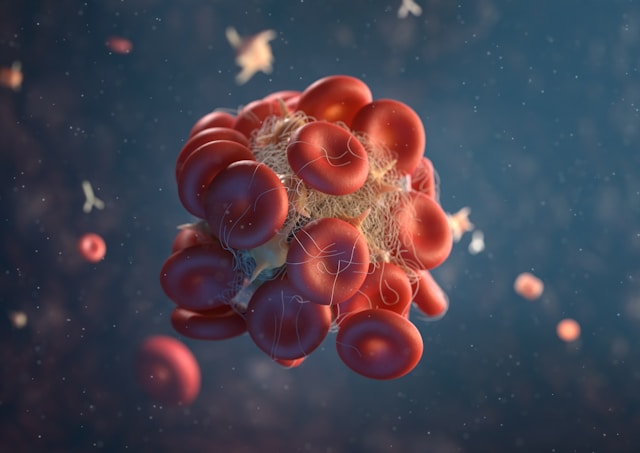
Feeling tired, short of breath, lightheaded, or less able to exercise can be part of living with chronic kidney disease (CKD). Often the hidden driver is anemia, a lower than normal level of red blood cells or hemoglobin that reduces how much oxygen your body can carry. The good news is that anemia in CKD is common, it can be evaluated with straightforward blood tests, and there are safe, stepwise treatments that usually help you feel and function better.
At Kidney Hypertension Transplant Specialists (KHS) in San Antonio, our team evaluates anemia with care and precision, then builds an individualized plan. Our priority is to protect your kidney and heart health while improving energy and quality of life, with beyond passion and ongoing support for you and your family.
Why anemia is common in CKD
Healthy kidneys release erythropoietin (EPO), a hormone that signals your bone marrow to make red blood cells. In CKD, the kidneys often make less EPO, so the marrow slows production. At the same time, many people with CKD have iron shortage due to decreased absorption, dietary limits, blood loss from lab draws or procedures, inflammation that locks iron in storage, or, for dialysis patients, iron loss through treatments. The result is a reduced supply of hemoglobin, the oxygen-carrying protein inside red blood cells.
When hemoglobin is low, your muscles and brain receive less oxygen, which can cause fatigue, dizziness, shortness of breath, headaches, cold hands and feet, pale skin, and lower exercise tolerance. Over time, untreated anemia can strain the heart because it has to pump harder to deliver oxygen, which is why cardiorenal health is part of every conversation we have about anemia.
How we evaluate anemia in CKD
The evaluation is focused and practical. We start by confirming anemia on a complete blood count, especially your hemoglobin level. Then we assess iron status to understand why anemia is present and how best to treat it. Key tests include:
- Ferritin, a protein that reflects iron stores
- Transferrin saturation (TSAT), a measure of iron available to make hemoglobin
- Sometimes folate and vitamin B12, if your history or diet suggests a deficiency
We review your CKD stage, symptoms, blood pressure, other labs such as potassium and phosphorus when relevant, and your medications. If you are on dialysis, we coordinate with your center to align timing and dosing with your treatments. Education is built into every step so you know what the numbers mean and what to expect.
First-line treatments: iron by mouth, injection (EPOGEN), or by IV
Iron is the foundation of treatment when iron is low. Whether iron pills, injection (EPOGEN), or intravenous (IV) iron is best depends on your ferritin, TSAT, tolerance, and how quickly we need to replete iron.
- Oral iron can be effective when TSAT and ferritin are only mildly reduced and there is time to rebuild stores. It is convenient and avoids infusions, though some people develop stomach upset or constipation, and absorption can be limited in CKD or by certain medications.
- Injection or IV iron reaches the bloodstream directly, bypassing absorption barriers. It often raises iron levels faster and can be more reliable when ferritin and TSAT are low, when oral iron is not tolerated, or when you are on dialysis and losing iron. Infusions are monitored for safety, and most people do well.
Does injection or IV iron help more than pills? For many CKD patients with true iron deficiency or inflammation that blocks absorption, injection or IV iron typically works faster and more consistently than oral iron. That said, the right choice is personal. We discuss pros and cons together, consider your symptoms and schedule, and coordinate insurance and infusion logistics so you can proceed comfortably and safely.
If you want to learn more about how KHS approaches comprehensive kidney care, including anemia management, explore our information for San Antonio kidney doctors and nephrologists in San Antonio on our services page.
When we add ESAs, and how we monitor them safely
If iron status is optimized but hemoglobin remains low due to reduced EPO, we may use an erythropoiesis-stimulating agent (ESA). ESAs act like EPO to signal your marrow to make more red blood cells. ESA therapy is not one-size-fits-all. We consider your CKD stage, symptoms, heart health, blood pressure, and iron levels before starting, and we aim for a safe hemoglobin range rather than a normal-for-everyone target.
Are there risks to ESA therapy? ESAs can raise blood pressure and, if hemoglobin rises too quickly or too high, may increase the risk of clotting or stroke. That is why monitoring is essential, and dosing is gradual. We keep iron repletion aligned with ESA use, because ESAs do not work well without adequate iron.
How often are labs checked during ESA treatment? Frequency varies with your clinical situation, but early in therapy we typically recheck hemoglobin and iron indices about every 2 to 4 weeks, then space out to every 4 to 8 weeks once stable. Blood pressure is checked at each visit, and we encourage home logs to spot changes promptly. If you become ill, we may pause or adjust dosing as directed by your clinician.
What improvement to expect and how it helps heart-kidney health
Can treating anemia improve energy levels? In many patients, yes. As hemoglobin and iron improve, oxygen delivery to muscles and the brain typically improves, which often means better stamina, less dizziness or breathlessness with activity, and clearer thinking. Many people find daily tasks and gentle exercise more manageable, which supports blood pressure control, mood, and overall cardiorenal health. Response times vary, and your plan will be adjusted to the way you feel, not just the numbers.
Follow-up cadence, safety checks, and shared decisions
You can expect a predictable rhythm during treatment:
- At baseline, we confirm hemoglobin, ferritin, TSAT, review blood pressure, medications, and symptoms.
- During iron repletion or ESA initiation, we recheck labs every few weeks and review home blood pressure. We also ask about headaches, chest discomfort, shortness of breath, unusual bruising, or swelling.
- Once hemoglobin is improving and stable, visits and labs are spaced out. We revisit goals if your CKD stage changes, if you start dialysis, or if health events occur.
Your care plan is collaborative. We discuss options, review risks and benefits in clear language, and make adjustments together. If infusions are recommended, our team coordinates scheduling, prior authorizations, and benefits review. If you are in Alamo Heights and prefer a nearby clinician, you can request an appointment with a nephrologist in Alamo Heights, and for those preparing for dialysis, we offer education and support through our dialysis clinic in San Antonio so care stays connected.
When to ask for an anemia evaluation
If you live with CKD and notice persistent fatigue, exercise intolerance, dizzy spells, chest tightness with minimal effort, or shortness of breath that is new for you, ask about anemia testing. A simple panel that includes hemoglobin, ferritin, and TSAT can clarify next steps. Many people feel relief just understanding the cause and having a plan.
To discuss anemia management in CKD in San Antonio and coordinate insurance or infusion logistics, contact Kidney Hypertension Transplant Specialists. We offer next-day appointments when appropriate, tele-visits, and bilingual care.
Quick FAQ
- What is anemia in CKD and how is it treated? Anemia is a low hemoglobin level due to reduced EPO from the kidneys and often iron deficiency. Treatment begins with iron repletion, by mouth or IV, and may include an ESA when indicated, with close lab and blood pressure monitoring.
- Does IV iron help more than pills? IV iron often works faster and more reliably when iron stores are low or absorption is limited, while oral iron can be a good option for mild deficiency and those who tolerate it well.
- How often are labs checked on ESAs? Typically every 2 to 4 weeks at the start, then every 4 to 8 weeks once stable, with blood pressure monitored at each visit and at home.
- Can treating anemia improve energy? Yes, many patients notice better stamina, less dizziness or breathlessness, and improved daily function as hemoglobin and iron rise.
- Are there risks to ESAs? Possible risks include higher blood pressure and clotting events if hemoglobin rises too quickly or too high. Careful dosing, iron alignment, and regular monitoring are used to reduce risk.
Summary and next step
Anemia in CKD is common and treatable. By measuring hemoglobin, ferritin, and TSAT, then personalizing iron therapy and considering ESAs when needed, most patients see steadier energy and safer heart-kidney balance. The key is thoughtful monitoring and shared decisions that respect your goals and medical history.
If you are ready to feel better and want a clear plan, request an anemia evaluation with KHS. Our team coordinates labs, benefits, and, when needed, IV infusions so you can focus on your health. For comprehensive support across kidney care, including anemia management in CKD, dialysis education, and transplant coordination, our nephrologists in San Antonio are here for you. Kidney care, with beyond passion. 2024 © Kidney Specialists Transplant Specialists. For questions, call 210-277-1418 or email info@kidney-specialists.com.